 Call Us : 08045477242


|
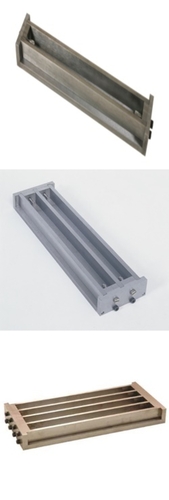
Also available in various sizes such as : 1. 75 x 75 x 300 MM 2. 25 x 25 x 282 MM and 3. 75 x 75 x 285 MM and various types of compartment such as : 1. Single 2. Two Mould and 3. Four Mould
Further details availableon our website.
The Price mentioned here are subject to change as per the capacity,specifications and application of the user.

Price:
Price 17920 INR / Number
Minimum Order Quantity : 1 Piece
Usage : For Cement Testing
Features : Universal compatible with UTM/compression machines, heavyduty steel construction
Application : The compression/UTM Machine shall be capable enough to exert 50 N/S loading rate for accurate results as per above listed EN Standards.
Automation Grade : Manual
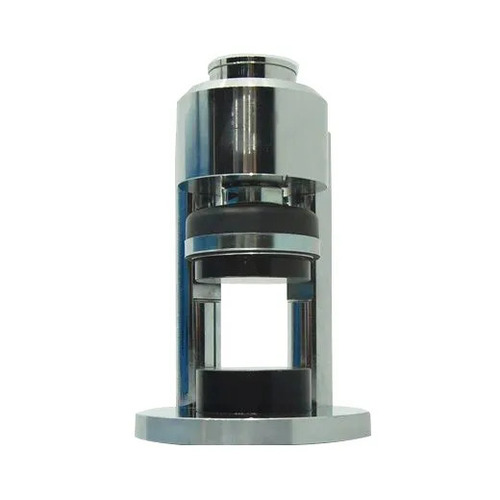
Price 54500 INR / Piece
Minimum Order Quantity : 1 Piece
Usage : Cement Testing Equipment
Features : Corrosionresistant construction, Easy to operate, Glass thermometric tube
Application : Used for determining the reactivity on slaking of ground quicklime.
Automation Grade : Manual
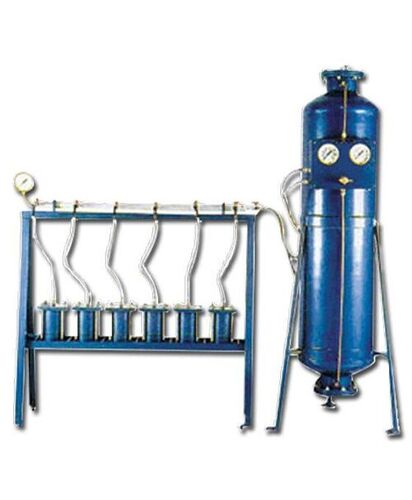
Price 149000.00 INR / Piece
Minimum Order Quantity : 1 Piece
Usage : Cement Testing Equipment
Features : Heavy gauge powder coated body, three permeability cells, pressure gauge, water reservoir, connecting pipes, easy operation.
Application : The test method is for determining the permeability to water of pozzolana mortar prepared and cured under specified conditions, by measuring the percolation of water through standard cylindrical specimens.
Automation Grade : Manual
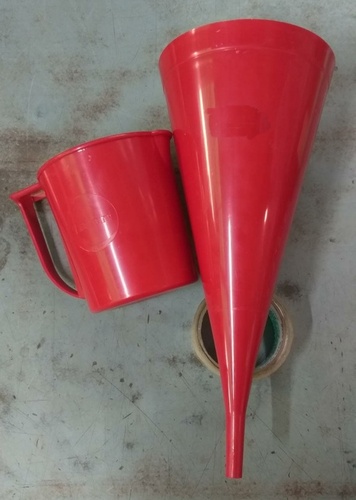
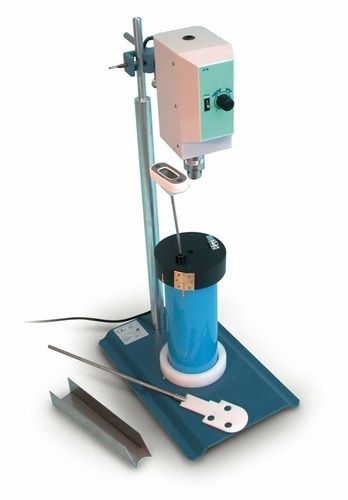
Price 5500 INR / Piece
Minimum Order Quantity : 1 Piece
Usage : Cement Testing Equipment
Features : Lightweight, portable, easy to clean
Application : This test can be performed in the laboratory, or used in the field to assess the apparent viscosity of a clay slurry for quality control purposes.
Automation Grade : Manual

 |
EIE INSTRUMENTS PVT. LTD.
All Rights Reserved.(Terms of Use) Developed and Managed by Infocom Network Private Limited. |




 Send Inquiry

 Send Inquiry
 Send Inquiry
 Send SMS
 Call Me Free