 Call Us : 08045477242


|
Construction details :
Further details availableon our website.
The Price mentioned here are subject to change as per the capacity,specifications and application of the user.

Price:
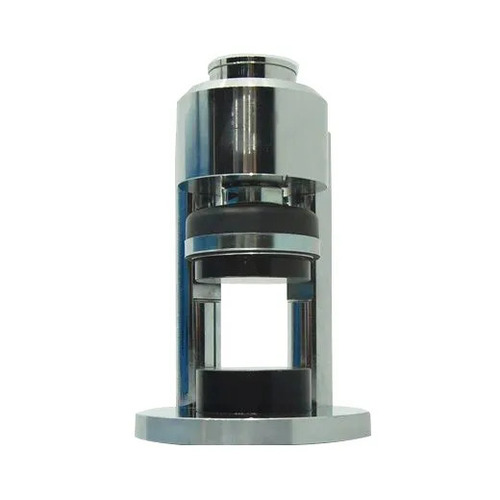
Price 17920 INR / Number
Minimum Order Quantity : 1 Piece
Application : The compression/UTM Machine shall be capable enough to exert 50 N/S loading rate for accurate results as per above listed EN Standards.
Features : Universal compatible with UTM/compression machines, heavyduty steel construction
Automation Grade : Manual
Usage : For Cement Testing
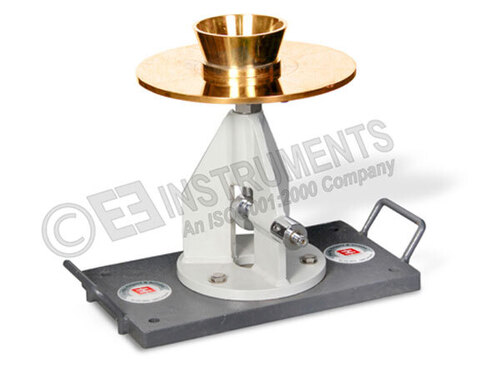
Price 19000 INR / Piece
Minimum Order Quantity : 1 Piece
Application : Determining flow of cement paste/mortar
Features : Cast iron table with engraved lines, hand lever mechanism, conforming to standards
Automation Grade : Manual
Usage : Cement Testing Equipment
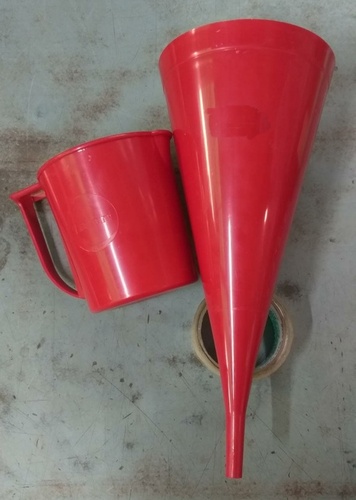
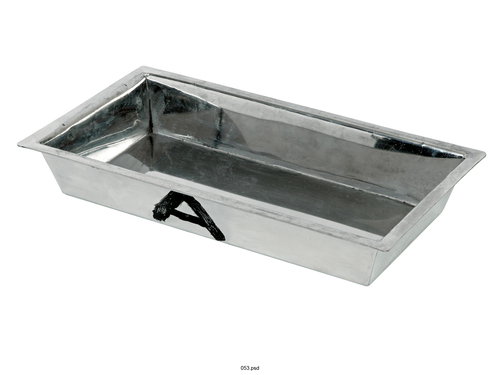
Price 5500 INR / Piece
Minimum Order Quantity : 1 Piece
Application : This test can be performed in the laboratory, or used in the field to assess the apparent viscosity of a clay slurry for quality control purposes.
Features : Lightweight, portable, easy to clean
Automation Grade : Manual
Usage : Cement Testing Equipment
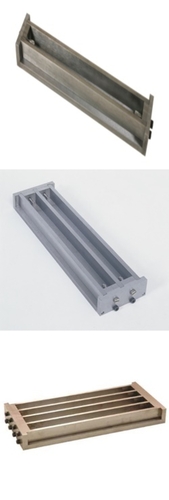
Price 3600 INR / Piece
Minimum Order Quantity : 1 Piece
Application : For measurement of drying shrinkage. Length measuring device, reference points of 6.5mm dia and all other accessories required for the drying shrinkage test are to be purchased separately
Features : Corrosion resistant, rigid construction, precise dimensions
Automation Grade : Manual
Usage : Cement Testing Equipment

 |
EIE INSTRUMENTS PVT. LTD.
All Rights Reserved.(Terms of Use) Developed and Managed by Infocom Network Private Limited. |




 Send Inquiry

 Send Inquiry
 Send Inquiry
 Send SMS