go back

DIRECT READING GSM BALANCE-GRAMMAGE TESTER

15680.00 INR / Number
share
DIRECT READING GSM BALANCE-GRAMMAGE TESTER

Minimum Order Quantity : 1 Number

Delivery Time : 4 Week

 
Equipment Type
DIRECT READING GSM BALANCE-GRAMMAGE TESTER
Accuracy
±1 GSM
Application
Digital Quadrant Scale is intended for measuring the GSM of paper and other sheet materials by weighing a small test sample with given dimensions
Automation Grade
Manual
Capacity
Up to 600 GSM
Control Mode
Direct Reading (Manual)
Display Type
Direct Dial/Analog/Mechanical Scale
Features
Direct reading, highly accurate balance, sturdy base, anti-corrosive finish
Humidity
Up to 85% RH (Non-condensing)
Machine Weight
Approx. 3-5 kg
Max Height
Approx. 250 mm
Measuring Range
0–600 GSM
Mounting Type
Table Top
Number of Specimens
Single Specimen per Test
Power Supply
Not Required (Manual Balance)
Product Type
DIRECT READING GSM BALANCE-GRAMMAGE TESTER
Resolution
1 GSM
Response Time
Immediate
Specimen Size
100 cm² circular (as per standard GSM cutter)
Temperature
10 to 40°C
Test Range
0–600 GSM (Grams per square meter)
Test Speed
Manual Operation (No speed setting required)
Test Width
100 mm
Usage
Civil Engineering Testing Instrument
Certifications
ISO 9001 : 2015
Delivery Time
4 Week
Packaging Details
Wooden Box / Corrugated Box
Sample Policy
Contact us for information regarding our sample policy
Supply Ability
100 Per Month

 
Construction Material
Mild Steel with powder coated finish
Scale Graduation
Clearly engraved graduations
Pan Diameter
Approx. 110 mm
Surface Finish
Corrosion Resistant Epoxy Coating
Safety
Non-electrical, safe for all operators
Sample Holder
Hardened and precision-engineered for consistent placement
Calibration Method
Standard Weights Provided
Compliance Standards
IS 1060/ISO 536/ASTM D646
Balance Type
Quadrant Balance

ELECTRONIC GRAMMAGE TESTER (Microcontroller Based):

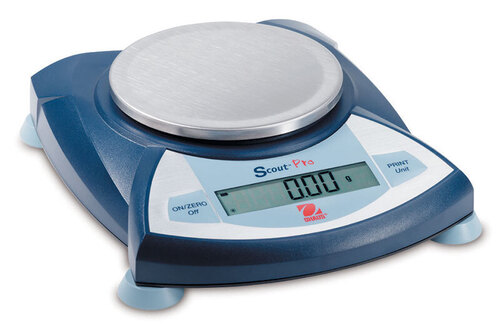
Digital Quadrant Scale is intended for measuring the GSM of paper and other sheet materials by weighing a small test sample with given dimensions. The GSM of the specimen is being Displayed directly on Digital Panel


Salient Features:

  • Covered with Transparent Shield
  • Stainless Steel tearing templates.
  • Digital GSM Scale display direct weight in GSM in tworange : 20 X 25 cm2 and 10 X 10 cm square Templates
  • Weight up to 0 to 200 gm with accuracy 0.001gm.
  • Plate Form Size :110 mm Dia.


Furtherdetails available on our website.

The Price mentioned here are subject to change as per the capacity,specifications and application of the user.


Precision and Reliability in Material Testing

Engineered for accuracy, the DIRECT READING GSM BALANCE-GRAMMAGE TESTER offers consistent measurement of paper grammage, supporting a wide range of industry standards. The precision-engineered sample holder and clearly marked quadrant scale ensure reliable and repeatable results, making it a preferred instrument for laboratories, educational institutes, and quality control departments.


Robust Construction and User-Friendly Operation

Constructed from mild steel and finished with a durable, anti-corrosive epoxy coating, this balance is built to withstand rigorous daily use. No electrical supply is required, ensuring operator safety and reliable performance in varied environments. The analog display provides direct, immediate readings, simplifying the testing process for users of all experience levels.


Versatile Applications and Compliance

Complying with IS 1060, ISO 536, and ASTM D646 standards, the tester is ideal for determining GSM in a range of paper and sheet materials. Its versatility and compliance make it suitable for exporters, manufacturers, service providers, and traders seeking dependable, accurate testing for product quality and research applications.

FAQs of DIRECT READING GSM BALANCE-GRAMMAGE TESTER:


Q: How is the DIRECT READING GSM BALANCE-GRAMMAGE TESTER operated?

A: The tester operates manually, requiring no electrical power. Users place a 100 cm circular specimen (prepared according to standard GSM cutter dimensions) on the sample holder and set counterweights to calibrate the device. The quadrant balance provides a direct, immediate reading of the specimens GSM.

Q: What materials and applications is this balance tester suitable for?

A: This instrument is designed for measuring the grammage of paper and other flat sheet materials. Its compliant design makes it appropriate for civil engineering labs, quality control, and research facilities needing accurate GSM measurements.

Q: When is calibration necessary, and how is it performed?

A: Calibration should be performed before initial use and periodically thereafter using the provided standard weights. Place the calibration weight on the pan and adjust the balance until the pointer aligns with zero, ensuring measurement accuracy.

Q: Where should the device be placed for optimal results?

A: The tester is a tabletop model that should be positioned on a stable, level surface within a controlled environment, ideally at temperatures between 10C and 40C and humidity levels up to 85% RH (non-condensing). This ensures precise and reliable results.

Q: What is the process for measuring GSM with this tester?

A: First, cut a specimen of exactly 100 cm using a standard GSM cutter. Place the specimen on the pan, and the balances quadrant scale provides the direct reading of its GSM. No speed setting or electronic adjustments are required, making the process straightforward and efficient.

Q: What are the key benefits of using this GSM balance?

A: Key benefits include direct, highly accurate GSM readings (1 GSM), a corrosion-resistant build, no requirement for electricity, and immediate response time. Its sturdy construction and safety features make it practical for routine, long-term use in diverse laboratory settings.

DIRECT READING GSM BALANCE-GRAMMAGE TESTER
 

More Similar DIRECT READING GSM BALANCE-GRAMMAGE TESTER

Flow Table Concrete - Hand Operated

Price: 138000.00 INR

/

Piece

Minimum Order Quantity : 1 Piece

Flow Table Concrete - Hand Operated

Equipment Type:Flow Table Concrete - Hand Operated

Accuracy:As per IS: 5512 specification

Application:The flow Table determining the flow of Portland cement concrete

Automation Grade:Manual

Capacity:Up to 6 liters

Know More

The flow Table determining the flow of Portland cement concrete.The stand is fabricated out of cast iron/mild steel and is of study construction


Further details availableon our website.

The Price mentioned here are subject to change as per the capacity,specifications and application of the user.


Sturdy Construction and Long-Lasting Durability

Manufactured with a hardened cast iron tabletop and a heavy-duty steel base, the Flow Table Concrete tester is engineered for longevity and resistance to corrosion. The powder-coated paint finish ensures resilience against harsh conditions, making it suited to laboratory and on-site environments. Each component is selected for strength, accuracy, and reliability.


Accurate and Reliable Flow Measurement

The equipment uses a manual lever-operated system to deliver smooth, controlled movements for each test. Accessories such as a brass mold and measuring scale guarantee consistent results. Integrated features, including a bubble level for precise alignment, conform with IS: 5512 standards for concrete flow testing, ensuring measurements are accurate and repeatable across specimens.


Effortless Manual Operation

No external power is necessarythe test is conducted entirely with the manual steel lever. This design makes the flow table suitable for use in multiple settings, from laboratories to remote construction sites. The responsive manual interface allows tests at standard speed and stroke, while immediate scale graduation provides quick, precise readings.

FAQs of Flow Table Concrete - Hand Operated:


Q: How is the hand-operated flow table used to test concrete flow?

A: The hand-operated flow table is utilized by placing cement concrete in the supplied brass mold, leveling it, and then lifting and dropping the table using the steel lever as specified in IS: 5512. The spread of the specimen is measured using the included scale to determine the flow properties of Portland cement concrete.

Q: What are the main benefits of using this flow table for concrete testing?

A: This device offers reliable and repeatable measurements due to its sturdy cast iron top, precise leveling with the bubble level, and standard-compliant mechanics. It does not require electricity, making it convenient for use in any environmentlaboratory or fieldwhile providing accurate results as per IS: 5512.

Q: When should the Flow Table Concrete Hand Operated be used in construction projects?

A: This equipment should be employed during quality control stages to assess the flow of freshly mixed Portland cement concrete. It is particularly useful for ensuring that the mix proportions meet the specifications before pouring, helping to produce consistent, high-quality concrete structures.

Q: Where can this flow table be utilized?

A: The table is versatile, suitable for both laboratory and on-site usage. Its rugged construction and manual operation mean it can be used in educational institutions, construction sites, and industrial or research labs across various ambient environmental conditions.

Q: What is the standard process for conducting a test using this flow table?

A: To conduct a test, first set up the brass mold in the center of the table, fill it with the concrete sample, and strike off the excess. Remove the mold, then use the manual lever to lift and drop the table according to the specified test strokes. Measure the diameter of the concrete spread to assess its flow as per IS: 5512 requirements.

Q: Why is manual operation advantageous for this equipment?

A: Manual operation allows for simple and reliable testing without dependency on electrical power, enhancing portability. It also grants the operator complete control over the test speed and stroke, increasing versatility and adaptability in diverse testing locations.

Photometric Test Apparatus

Minimum Order Quantity : 1 Piece

Photometric Test Apparatus

Application:For Quick Determination Of SO3 In Cement

Automation Grade:Semi Automatic

Color:Multi

Display Type:Analog

Features:Accurate results, Robust construction, Efficient working

Know More

Photometric Test Apparatus

The Model is provided with double light intensity meter, as such useful where the percentage of SO3 is desired to be known with higher accuracy. The Model is of export quality and provided with constant voltage Transformer built in. Beside this the component used in is of the highest quality available in market.

TEST PROCEDURE : VERY SIMPLE EASY and QUICK. A solution of cement and HCL in fixed proportion is prepared and is to be gradually poured in photo glass tube of apparatus at the point the photo light through it disappears the reading over photo tube is taken and the percentage of SO3 is directly known, from calibration chart, against above reading.

With the help of this apparatus the percentage of SO3 in cement is determined in few seconds time. The operation of the apparatus is very easy and fast. Any auxiliary person can be employed. The operation of apparatus is simple and the results obtained are very accurate. The fast results given by the apparatus also facilitate frequent testing of good number of batches in less time period.

Furtherdetails available on our website.

The Price mentioned here are subject to change as per the capacity,specifications and application of the user.


Efficient SO3 Analysis

The Photometric Test Apparatus streamlines the measurement of SO3 content in cement, providing quick and precise results. Its specialized design supports continuous workflow in laboratories and production environments, promoting high-quality cement manufacturing. Its intuitive operation facilitates routine quality checks, reducing downtime and errors.


Reliable Power Specification

Operating efficiently at 230/240 Volts with a power requirement of 100 Watts, the apparatus fits seamlessly into standard laboratory setups. Its single-phase AC supply at 50Hz ensures compatibility with common electrical infrastructures. This robust configuration supports consistent long-term usage and enhances laboratory productivity.

FAQs of Photometric Test Apparatus:


Q: How does the Photometric Test Apparatus determine SO3 in cement?

A: The apparatus uses photometric analysis, where a cement sample is processed and exposed to specific reagents. The resulting color intensity is measured and correlated to SO3 concentration, allowing for precise quantification.

Q: What is the recommended power supply for this apparatus?

A: This Photometric Test Apparatus operates optimally on 230/240 Volts, single-phase AC at 50Hz, with a power requirement of 100 Watts, which matches standard laboratory electrical setups.

Q: When should laboratories use this apparatus in cement testing?

A: Laboratories should use it during routine quality control procedures and production assessments to quickly and accurately monitor SO3 levels, helping to ensure compliance with industry standards.

Q: Where can this test apparatus be sourced in India?

A: It can be procured through accredited exporters, manufacturers, suppliers, service providers, and traders across India, who specialize in laboratory instruments for cement analysis.

Q: What is the process involved in using the Photometric Test Apparatus?

A: The process involves preparing a cement sample, introducing required reagents, running the photometric analysis, and interpreting the display readings to determine the SO3 concentration efficiently.

Q: What are the main benefits of using this apparatus for SO3 determination?

A: The apparatus delivers rapid and accurate SO3 measurement, reduces human error, streamlines workflow in cement quality testing, and promotes adherence to regulatory standards, resulting in better product quality.

Technical Details 

Capping Set Vertical with Accessories

Minimum Order Quantity : 1 Piece

Capping Set Vertical with Accessories

Equipment Type:Concrete Testing Equipment

Application:When testing concrete cylinder specimens it is essential that the two ends are perfectly flat

Automation Grade:Semi Automatic

Color:Silver

Dimension (L*W*H):8 x 8 x 10 Millimeter (mm)

Know More

As per IS - 516 and ASTM - C617


When testing concrete cylinder specimens it is essential that the two ends are perfectly flat. EIE Capping set allows the ends of the various sizes of concrete cylinders(100 or 150 mm)or cores to be capped using the sulphur capping compound.


Furtherdetails available on our website.

The Price mentioned here are subject to change as per the capacity,specifications and application of the user.


Precision and Durability for Concrete Testing

This vertical capping set excels in providing perfectly flat ends for concrete cylinder specimens, a key step in ensuring accuracy and consistency in compression testing. Its sturdy construction and precisely engineered accessories offer durability and long service life, making it the choice of professionals for demanding laboratory environments.


Versatile Operating Range for Varied Conditions

Designed to perform under a wide temperature range, from +30C to 150C, this capping set adapts seamlessly to different laboratory climates. Whether you are conducting standard or specialized tests, its reliability ensures consistent outcomes irrespective of environmental conditions.

FAQs of CAPPING SET VERTICAL WITH ACCESSORIES:


Q: How is the Capping Set Vertical with Accessories used in concrete testing?

A: This set is used to prepare concrete cylinder specimens by ensuring both ends are perfectly flat, which is essential for reliable and accurate compression strength measurements during testing.

Q: What benefits does this capping set provide over manual capping methods?

A: Compared to manual methods, the capping set offers greater consistency, precision, and efficiency in flattening cylinder ends. This reduces the risk of specimen failure due to uneven surfaces and improves test reliability.

Q: When should the capping set be used during the concrete testing process?

A: The capping set should be used before performing compression tests on concrete cylinders, as it prepares the specimens by providing flat, parallel end surfaces that are essential for proper load distribution.

Q: Where can this equipment be installed and used?

A: The capping set is ideal for use in concrete testing laboratories, research facilities, and quality control departments within construction companies or material testing organizations.

Q: What is the process for operating the Capping Set Vertical with Accessories?

A: Once the concrete cylinder specimen is cured, place it securely in the capping set and use the provided accessories to apply the capping compound, ensuring both ends are evenly flattened and aligned.

Q: What types of organizations can benefit from this product?

A: Manufacturers, exporters, service providers, suppliers, and traders involved in concrete materials testing, especially those based in India, will find this capping set extremely beneficial for accurate and repeatable specimen preparation.

Technical Details 

Touch Screen RCPT with Temperature Sensing Using Daq System

Application:Four cell Rapid Chloride permeability Apparatus with Eight channel DAQ systems and 7” size HMI Color Touch screen display, Complete with Vacuum Desiccator with Vacuum Pump & accessories

Automation Grade:Semi Automatic

Dimension (L*W*H):13.5 x 14.5 x 10 Millimeter (mm)

Display Type:Touch Screen

Features:Accurate results, Robust construction, Efficient working

Know More

  • Four cell Rapid Chloride permeability Apparatus with Eight channel DAQ systems and 7 inch size HMI Color Touch screen display, Complete with Vacuum Desiccator with Vacuum Pump & accessories.

Specifications:


  • The current is integrated over a period of time and report as coulombs. At the end of test, Cycle over indication is activated.
  • The data can be transmitted to PC through Wi-Fi Router.
  • Power input : 230 V, 50 Hz, AC

Further details availableon our website.

The Price mentioned here are subject to change as per the capacity,specifications and application of the user.


Advanced Testing Capabilities

This device facilitates accurate measurement of chloride permeability in concrete, providing critical data for assessing durability. With integrated temperature sensing and multi-channel DAQ, users can monitor several samples concurrently, streamlining laboratory workflows. The color touchscreen interface simplifies operation and real-time data visualization.


User-Friendly Interface

The 7-inch HMI touch screen delivers a clear, intuitive platform for controlling and observing the entire testing process, making parameter adjustments and monitoring straightforward. Its robust build, paired with essential accessories, supports seamless testing experiences for researchers and professionals.


Reliable Quality Assurance for Concrete

By using state-of-the-art temperature sensing and DAQ technology, this apparatus enhances the accuracy of permeability assessments. It is invaluable in ensuring concrete resistance against chloride-induced corrosion, ultimately supporting long-lasting infrastructural integrity.

FAQs of TOUCH SCREEN RCPT WITH TEMPERATURE SENSING USING DAQ SYSTEM:


Q: How does the Touch Screen RCPT with Temperature Sensing improve concrete testing accuracy?

A: The integrated temperature sensing and eight-channel DAQ system provide real-time, highly precise monitoring of chloride permeability in concrete, enabling more reliable test results and improved assessment of durability.

Q: What applications is this apparatus suitable for?

A: This system is primarily used in laboratories for rapid chloride permeability testing of concrete, especially in quality control, research, and durability investigations within construction and civil engineering industries.

Q: When should the apparatus be used in the concrete testing process?

A: It is ideal to use this apparatus during post-curing stages to determine the resistance of concrete samples to chloride ingress, a critical factor for infrastructure longevity and safety.

Q: Where can this Touch Screen RCPT system be supplied?

A: The device is available across India through exporters, manufacturers, suppliers, traders, and service providers specializing in laboratory and concrete testing equipment solutions.

Q: What is the process for operating the Touch Screen RCPT apparatus?

A: Users need to prepare concrete samples, place them in the apparatus, set testing parameters via the touch screen interface, and initiate the permeability test. The system records data across all channels, displaying live results on the HMI screen.

Q: What are the benefits of using this DAQ-enabled apparatus?

A: Benefits include increased throughput due to multi-channel analysis, enhanced accuracy via temperature monitoring, user-friendly controls, and comprehensive data storage for quality documentation, all contributing to improved testing reliability.

Technical Details 

Grain Size Analysis Apparatus Pipette Method

Minimum Order Quantity : 1 Piece

Grain Size Analysis Apparatus Pipette Method

Equipment Type:Grain Size Analysis Apparatus

Accuracy:±1%

Application:Soil Testing, Grain Size Determination

Automation Grade:Manual

Capacity:Multiple Pipette Sizes Available

Know More

The Apparatus consists of a sliding panel which moves up and down by means of a screw allowing Anderson Pipette fixed to it to be raised or lowered vertically. A sedimentation tube is held by a laboratory clamp provided on the stand below the pipette. The depth of immersion is measured by a scale graduate in mm. at the side of the sliding panel. Supplied complete with Anderson Pipette 10ml. at the side capacity made from glass, and a sedimentation tube also of glass of 500ml capacity.

Additional accessories required to perform the test can be supplied at extra cost : Weighing Bottle, Electronic Balance of 0.001 gm sensitivity, Constant temp. bath, Stirring apparatus, Test sieves and Laboratory Oven.


Furtherdetails available on our website.

The Price mentioned here are subject to change as per the capacity,specifications and application of the user.


Robust and Durable Construction

Constructed with high-quality borosilicate glass and a powder-coated steel stand, the apparatus is designed for longevity and resistance to corrosion. Its durable construction makes it suitable for repeated laboratory use while maintaining consistent accuracy and safety. The blue and transparent components not only add visual clarity but also enhance monitoring during sample analysis.


Precision Manual Operation for Soil Analysis

The apparatus utilizes the proven pipette method for grain size analysis of soils, supporting both fine and coarse samples within a measuring range of 0.002 mm to 2 mm. Manual control allows users to achieve immediate, accurate readings without digital intervention, supporting both standard and custom laboratory protocols. Its calibration ensures compliance and reproducibility in every test.


Comprehensive Accessories and Service Support

Supplied with pipettes, measuring cylinders, and a robust stand, the system is factory calibrated and comes packed safely for export. On-site installation and reliable service support ensure seamless operation from the onset. Its compatibility with standard soil suspension procedures streamlines laboratory workflows for researchers and technicians alike.

FAQs of Grain Size Analysis Apparatus Pipette Method:


Q: How is the pipette method grain size analysis apparatus used in soil testing?

A: The apparatus is utilized by preparing soil samples using standard suspension procedures, after which measured volumes are withdrawn with the included pipettes. Manual readings are taken to determine particle sizes within the 0.002 mm to 2 mm range, providing accurate analysis for single specimens in each batch.

Q: What are the materials of construction for this apparatus and why are they important?

A: The apparatus is made from borosilicate glass and powder-coated steel. These materials offer superior chemical resistance, durability, and ease of maintenance, ensuring the instrument remains robust even with regular exposure to soil suspensions and laboratory chemicals.

Q: When should calibration be checked or adjusted for this device?

A: The apparatus is factory calibrated and typically does not require frequent recalibration under standard laboratory conditions. However, calibration can be verified periodically according to laboratory quality protocols or after extensive use to ensure measurement accuracy remains within 1%.

Q: Where can this apparatus be installed and what are the space requirements?

A: Designed as a table-top instrument, the apparatus fits comfortably in most laboratory environments. Its dimensions (430 x 220 x 870 mm) allow it to occupy a compact footprint, and installation support is available on-site to ensure proper setup.

Q: What is the process for preparing and analyzing soil samples with this apparatus?

A: Samples are prepared following standard soil suspension protocols. The soil suspension is placed in the measuring cylinders, and pipettes are used to extract specific volumes at set time intervals. Readings are manually recorded to determine the grain size distribution according to established standards (IS 2720 Part 4, ASTM D422).

Q: How does manual operation benefit soil testing procedures?

A: Manual operation enables immediate response and full control over each stage of sampling and measurement. This method minimizes the risk of electronic error, increases the reliability of direct observation, and is particularly beneficial in settings without access to automated equipment.

Q: What are the main advantages of choosing this grain size analysis apparatus?

A: Key benefits include its compatibility with a wide range of soil types, durable and corrosion-resistant construction, easy sample handling, accurate results, multiple accessories included, and compliance with international standards. The apparatus also offers on-site installation and maintenance support to ensure optimal performance.

Standard Aluminum Foil

Minimum Order Quantity : 1 Piece

Standard Aluminum Foil

Accuracy:±1%

Application:Testing tensile strength, elongation, and seal performance of aluminum foil

Automation Grade:Semi-automatic

Capacity:As required

Control Mode:Digital Control

Know More

  • Standard Aluminum Foil for verification of Bursting Strength Tester
  • Will be supplied with calibration certificate
  • Dimensions : 8" X 3"
  • Available from range :(RANGE A) - CAPACITY (0.35-0.70 KG/CM2) (5-10 PSI) - TO (RANGE U) CAPACITY (21.16-24.60 KG/CM2) (301-350 PSI)
  • Imported aluminum foil with traceability
Note: Price can change as per the range of the aluminium foil

Precision Engineering for Reliable Performance

Our standard aluminum foil is meticulously engineered to ensure exceptional tensile strength and flexibility. With rigorous quality checks backed by digital testing machines, users benefit from high accuracy (1%) and a wide measuring range. The equipment operates in various environments (20%-85% RH, 15C-35C) and accommodates diverse specimen sizes, making it ideal for industrial and laboratory applications.


Customizable Solutions for Diverse Needs

Tailor your aluminum foil with customizable roll lengths and widths to suit your processes. Available in both bright and matte finishes, our foil serves a multitude of applications, from packaging to scientific analysis. Packaging options, including poly wrap and sturdy carton boxes, ensure the product arrives intact and ready for use.


User-friendly Testing Equipment

Featuring digital controls, instant response time, and multiple interface types (USB/RS232), our aluminum foil testing machine is designed for seamless operation. With automation at a semi-automatic grade and easy bench-top mounting, operators can quickly and efficiently test material properties while maintaining a focus on accuracy and reliability.

FAQs of Standard Aluminum Foil:


Q: How do I use the standard aluminum foil testing machine?

A: The testing machine is designed for easy, semi-automatic operation. Simply prepare 15 specimens of standard size, mount them securely, select the desired test speed (50300 mm/min), and initiate the digital control panel. The system provides instant, accurate results for tensile strength, elongation, and seal performance.

Q: What applications is this high-quality aluminum foil suitable for?

A: This foil is ideal for a wide spectrum of uses, including industrial packaging, laboratory research, and performance testing. Its robust tensile strength and flexibility make it a go-to choice for environments demanding reliability and precision.

Q: When should I select bright versus matte surface finish for the foil?

A: Choose a bright finish for aesthetic and light-reflective needs, or matte for applications requiring reduced glare or different optical properties. The finish can also impact sealing and certain analytical results depending on your process requirements.

Q: Where can this aluminum foil and its testing equipment be used?

A: The foil and testing machine are manufactured and supplied across India, suitable for industrial plants, research facilities, quality control laboratories, and anywhere precision foil testing is essential.

Q: What is the process for customizing roll length and width?

A: You can specify your required dimensions when placing an order. Both roll length (starting from 200 meters) and width (from 300 mm) are customizable to ensure the product fits your specific operational needs.

Q: How does the foils tensile strength benefit my application?

A: A tensile strength range of 120220 MPa ensures the foil remains resilient under mechanical stress, preventing tears or breakage during processing. This durability translates to improved reliability in packaging, insulation, or analytical applications.

Q: What are the benefits of digital control and instant response time in the testing machine?

A: Digital controls and immediate response improve testing efficiency and accuracy. Operators can monitor real-time data, export results via USB or RS232, and trust in consistent, repeatable measurements, enhancing laboratory productivity.

Share a Quick Message with us
Enter Buying Requirement Details

Requirment is not provided for the inquiry

Mobile number

Mobile no is not provided for the inquiry

Email

Email is not provided for the inquiry

call Send Inquiry whatsapp

WhatsApp

Get Latest Price

 
close
Tell us about your requirement
product

Price: Â

Quantity
Select Unit

  • 50
  • 100
  • 150
  • 200
  • 250
  • 300
Additional detail
Mobile number

Email