Aggregate Testing Equipment About
Aggregate Testing Equipment
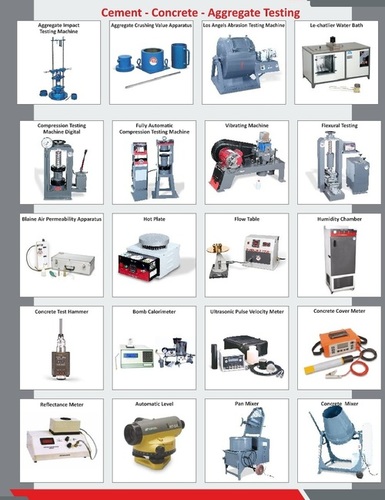
All type AGGREGATE TESTING EQUIPMENT manufacturer and supplier.
Product details
| Material | Mild Steel |
| Usage/Application | Laboratory |
| Model Name/Number | EIE |
| Packaging Type | Wooden Box |
| Brand | EIE |
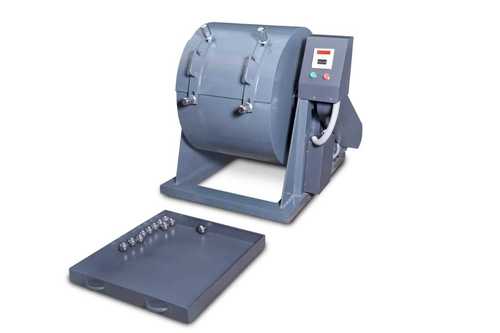
Reliable Aggregate Strength TestingDesigned for industrial laboratories, our equipment provides trustworthy results in aggregate strength and durability assessments. The machine supports various test types, including crushing and abrasion, with flexible capacities and specimen sizing. Its instant response digital analog display and precise manual or automatic data logging make operations efficient and straightforward.
Comprehensive Safety and CompliancePrioritizing user safety, our equipment incorporates overload protection and a safety interlock, reducing risks during use. Manufactured with powder-coated heavy-duty steel, it complies with IS:2386 (Part IV) and ASTM C131, ensuring both national and international standards are met. The machines quiet operation (<75 dB) is ideal for busy testing environments.
Enhanced Mobility and User-Friendly DesignMobility is effortless thanks to integrated castor wheels and bench-top mounting options. The equipments ergonomic layout, intuitive controls, and versatile automation grade facilitate smooth workflows. Accessories like measuring cylinders, trays, and dust covers optimize daily lab routines, while manual or printed data records meet documentation needs.
FAQs of Aggregate Testing Equipment:
Q: How does the Aggregate Testing Equipment ensure safety during operation?
A: This equipment features overload protection and a safety interlock system, which automatically halt operations if unsafe conditions are detected, preventing overloading and enhancing operator safety throughout testing.
Q: What types of aggregate tests can be conducted with this equipment?
A: It accommodates a wide range of aggregate strength and durability tests, such as crushing and abrasion, conforming to IS:2386 (Part IV) and ASTM C131 standards. Test range and procedure vary depending on the test type selected.
Q: When should I use manual log versus printer option for data recording?
A: You can record test data manually for smaller batches or less frequent use, while the printer option is ideal for high-throughput environments or when documented printouts of results are required for compliance or reporting purposes.
Q: Where can this equipment be installed in a laboratory setting?
A: Its bench-top and table-top mounting options allow flexible placement in industrial testing laboratories. Castor wheels enhance mobility, making it easy to position next to other equipment or relocate as needed.
Q: What is the recommended process for preparing aggregate specimens for testing?
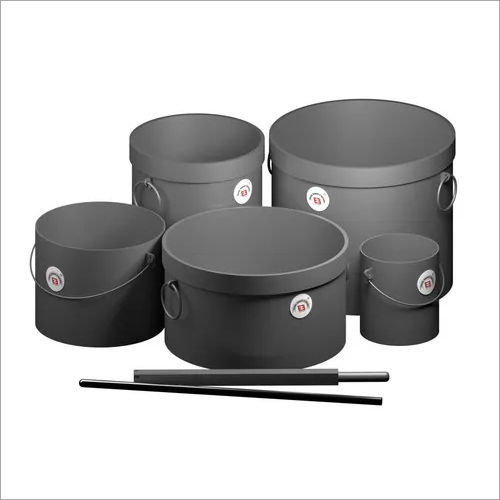
A: Specimens should be sized between 40 mm and 70 mm, with capacities ranging from 5 kg to 50 kg depending on your selected accessory. The equipment can handle up to four drums simultaneously to expedite testing.
Q: How does automated control benefit industrial users?
A: Automatic control enhances repeatability, reduces operator intervention, and streamlines test cycles. Users can select between manual and automatic modes for optimal workflow efficiency and consistent test outcomes.
Q: What are the key benefits of using this aggregate testing equipment in my lab?
A: Key benefits include reliable test accuracy (1%) and instant results, robust and corrosion-resistant construction for longevity, safety-focused features, compliance with major standards, user-friendly data recording, and flexibility to adapt to various testing protocols.
 Call Us : 08045477242










 Send Inquiry

 Send Inquiry
 Send Inquiry
 Send SMS