About APPARATUS FOR DETERMINATION OF RESIDUE ON EVAPORATION
Details
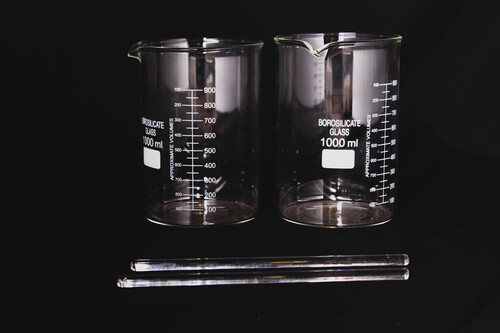
Consists of Following parts and accessories.
- 2 nos. 1000 ml low from glass beakers
- 2 nos. glass rods
Furtherdetails available on our website.
The Price mentioned here are subject to change as per the capacity,specifications and application of the user.
Robust and Reliable Laboratory DesignConstructed with a powder-coated mild steel stand and borosilicate glass flasks, this apparatus ensures durability and performance. The adjustable chrome-plated clamp provides reliable support and easy adjustments during testing procedures. Its design is tailored for laboratories specializing in petroleum and bitumen residue analysis.
Comprehensive Compliance and AdaptabilityThe ROE-100 adheres to both IS: 8887 and ASTM D6 standards, ensuring results meet internationally recognized specifications. With multiple flask sizes, chemical-resistant coatings, and external heating compatibility, this equipment is versatile for various testing requirements and laboratory setups.
FAQs of APPARATUS FOR DETERMINATION OF RESIDUE ON EVAPORATION:
Q: How do I operate the Apparatus for Determination of Residue on Evaporation?
A: To use the apparatus, secure the borosilicate glass flask (100 ml, 250 ml, or 500 ml) onto the adjustable chrome-plated clamp. Add your sample, then place the assembly on an external heat source such as a hot plate or burner (not included). Observe standard procedures outlined in IS: 8887 or ASTM D6 for residue determination.
Q: What are the benefits of using this apparatus for bitumen testing?
A: This equipment ensures high accuracy and repeatability, thanks to strict compliance with IS: 8887 and ASTM D6. Its design incorporates heat and chemical-resistant materials for safe, reliable operation and has detachable components for effortless cleaning and maintenance.
Q: Where is this apparatus typically used?
A: The apparatus is ideally suited for petroleum laboratories, research institutions, and industrial settings where bitumen residue testing is essential. It can also be used by exporters, manufacturers, suppliers, and service providers in India and abroad.
Q: When should I choose an external heating method for residue testing with this apparatus?
A: Since the apparatus is designed for external heating, select a suitable hot plate or burner to achieve the required temperature (up to 350C). This method is recommended when you need flexible, controllable heating specific to your testing standards or protocols.
Q: What is the process for cleaning the apparatus after use?
A: Allow all components to cool after testing, then detach the glass flask and clamp. Clean the parts with compatible solvents, rinse with distilled water, and dry thoroughly before reassembly. The detachable design and corrosion-resistant materials facilitate convenient and effective cleaning.
Q: What capacities of borosilicate flasks are available with this product?
A: The apparatus can be configured with 100 ml, 250 ml, or 500 ml capacity flasks, allowing users to select the most appropriate volume for their specific testing needs.
Q: Is the apparatus customizable to meet specific laboratory space or protocol requirements?
A: Yes, dimensions can be customized according to standard specifications or specific laboratory requirements, ensuring adaptability for various setups.
 Call Us : 08045477242









 Send Inquiry

 Send Inquiry
 Send Inquiry
 Send SMS
 Call Me Free