 Call Us : 08045477242


|
Thermal Stability of Hydraulic Oil
Compliance with following international standards ASTM D2070, IS 11656. Complete set up consists of essential accessories such as Oven, Aluminum block, 250 mL Griffin beakers, Copper test specimen, Steel test specimen.
Product details
| Model No | EIE-PTLT-120 |
| Brand | EIE |
| Material | SS |
| Voltage | 220V |
| Power Source | Electric |
Technical Details 

Price:
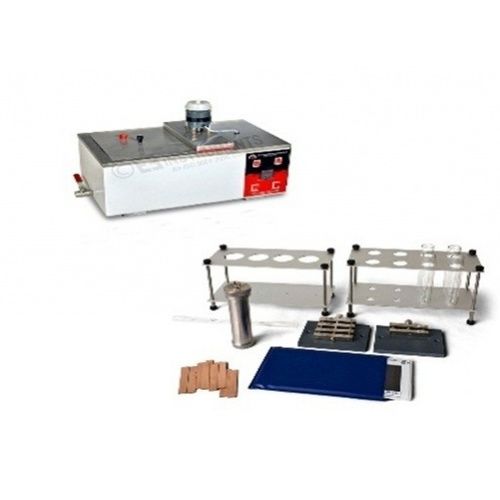
Price 38750.00 INR / Piece
Minimum Order Quantity : 1 Piece
Product Type : Copper Strip Corrosion Test Apparatus
Usage : Laboratory
Features : Accurate results, Robust construction, Efficient working
Voltage : 230 Volt (v)
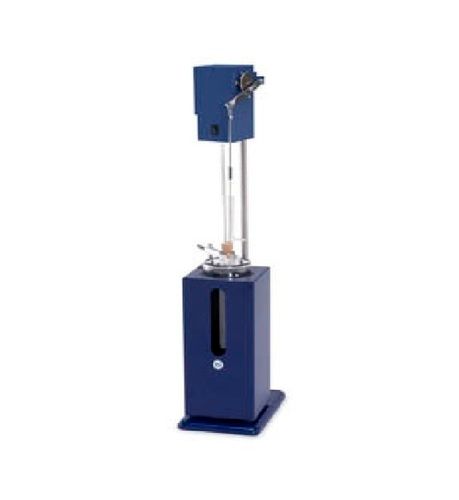
Price 32500.03 INR / Piece
Minimum Order Quantity : 1 Piece
Product Type : Freezing Point Apparatus With Motorized Stirrer
Usage : Laboratory
Features : Accurate results, Robust construction, Efficient working
Voltage : 230 Volt (v)
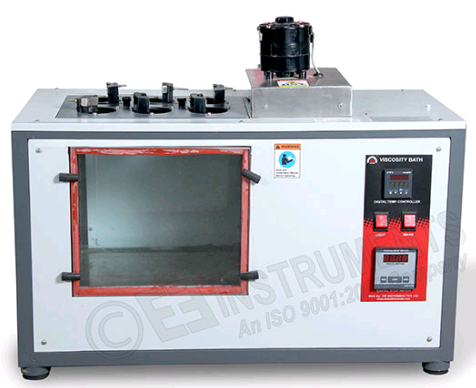
Minimum Order Quantity : 1 Piece
Product Type : ULTRA LOW TEMP. KINEMATIC VISCOSITY BATH
Usage : Laboratory
Features : Accurate results, Robust construction, Efficient working
Voltage : 230 volt Volt (v)
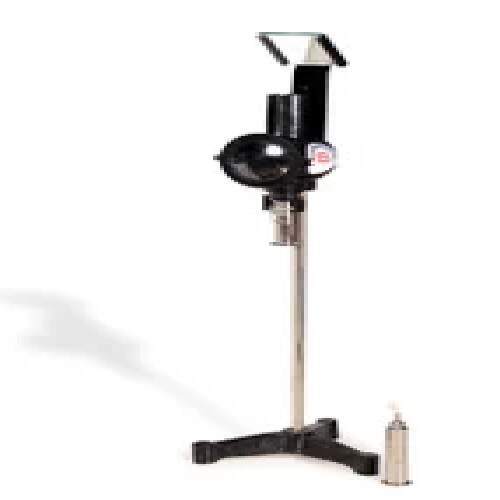
Minimum Order Quantity : 1 Piece
Product Type : Smoke Point Apparatus
Usage : Laboratory
Features : Accurate results, Robust construction, Efficient working
Voltage : 220240 Volt (v)

 |
EIE INSTRUMENTS PVT. LTD.
All Rights Reserved.(Terms of Use) Developed and Managed by Infocom Network Private Limited. |




 Send Inquiry

 Send Inquiry
 Send Inquiry
 Send SMS
 Call Me Free