 Call Us : 08045477242


|

Price: Â
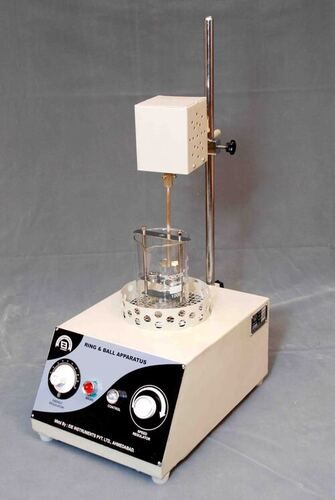
Price 11100.00 INR / Piece
Minimum Order Quantity : 1 Piece
Usage : Petroleum Testing Equipment
Features : Electrically heated bath, Two steel balls, Brass rings, Temperature control
Automation Grade : Semiautomatic
Frequency : 50 Hz
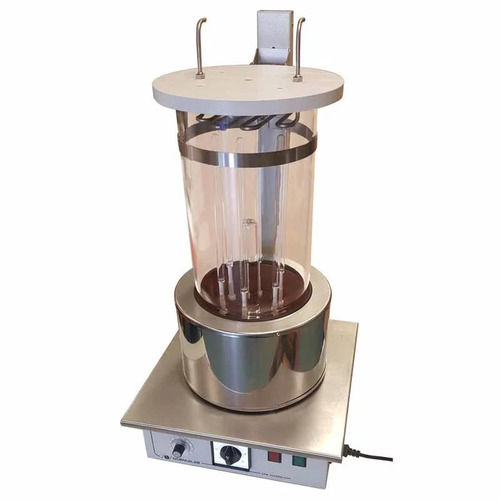
Price 250000.00 INR / Piece
Minimum Order Quantity : 1 Piece
Usage : Laboratory cleaning apparatus
Features : Simultaneous cleaning and drying, glass chamber
Automation Grade : SemiAutomatic
Frequency : 50 Hz
Price 62500.02 INR / Piece
Minimum Order Quantity : 1 Piece
Usage : Laboratory
Features : Accurate results, Robust construction, Efficient working
Automation Grade : Semi Automatic
Frequency : 5060 Hertz (HZ)
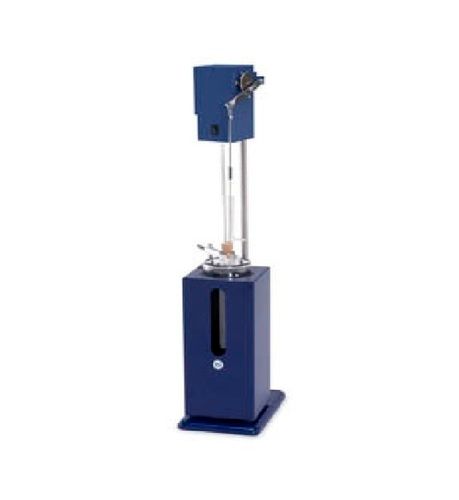
Price 32500.03 INR / Piece
Minimum Order Quantity : 1 Piece
Usage : Laboratory
Features : Accurate results, Robust construction, Efficient working
Automation Grade : Semi Automatic
Frequency : 5060 Hertz (HZ)

 |
EIE INSTRUMENTS PVT. LTD.
All Rights Reserved.(Terms of Use) Developed and Managed by Infocom Network Private Limited. |




 Send Inquiry

 Send Inquiry
 Send Inquiry
 Send SMS
 Call Me Free