 Call Us : 08045477242


|
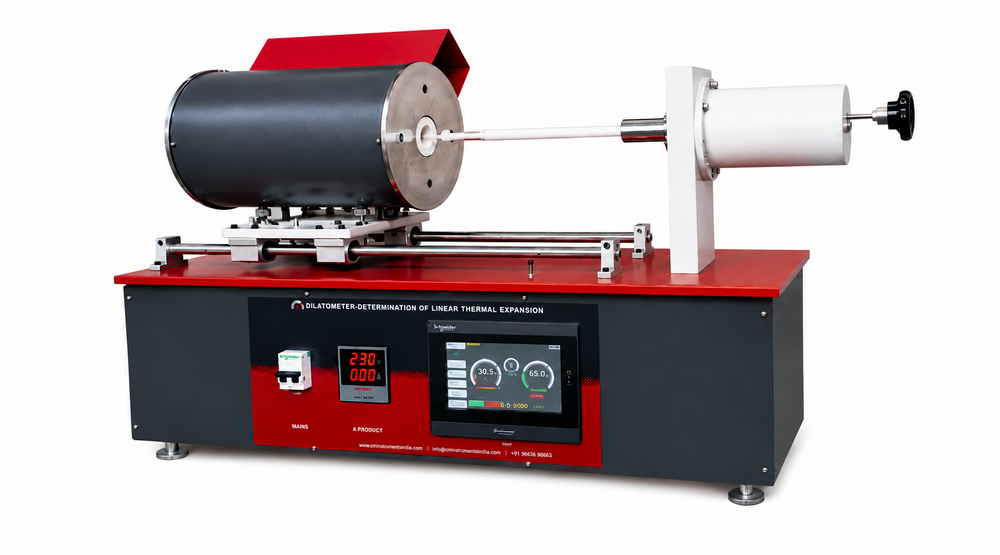
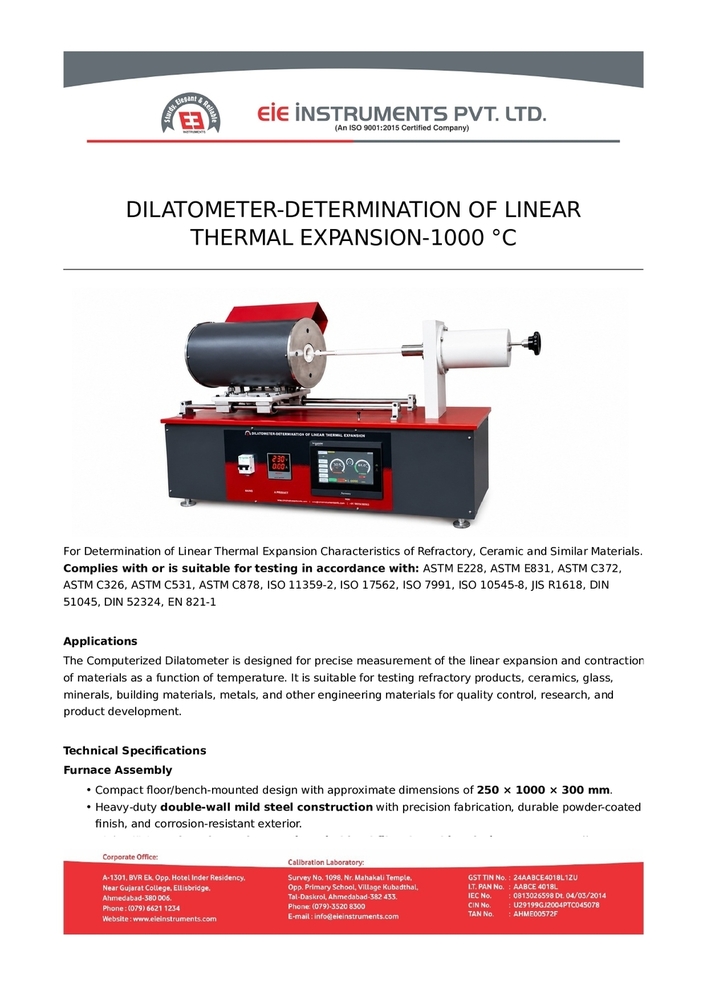
Dilatometer - Determination of Linear Thermal Expansion (1000 °C) is designed to determine linear thermal expansion, contraction and coefficient of thermal expansion (CTE) of ceramic tiles, refractories, glass, minerals, metals and other solid materials as a function of temperature. Suitable for ceramic, glass, refractory, metallurgical and material testing laboratories.
Available Model:
• TC-109T1000C – Determination of Linear Thermal Expansion up to 1000 °C
Available in customized capacities to suit your laboratory requirement. Mail or WhatsApp us for model selection, technical specifications and pricing.Â

Price:
Minimum Order Quantity : 1 Piece
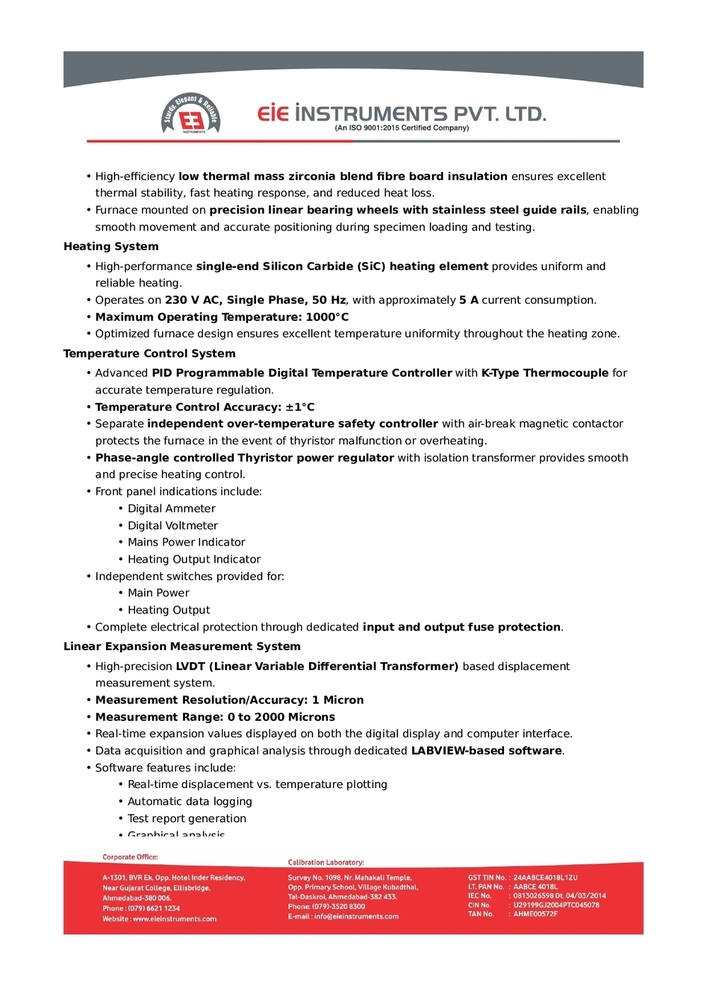
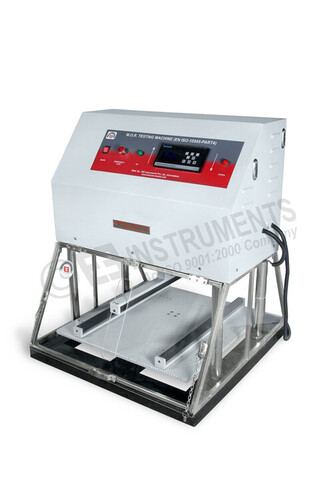
Features : Automatic data recording; overload protection; userfriendly operation
Automation Grade : Semiautomatic
Product Type : Tiles and Ceramics Testing Machine
Usage : MOR (Modulus of Rupture) test for ceramic bars or tiles
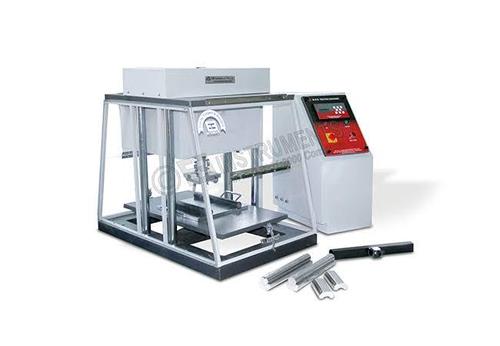
Minimum Order Quantity : 1 Piece
Features : Accurate results, Robust construction, Efficient working
Automation Grade : Semi Automatic
Product Type : Fire Brick MOR Testing Machine
Operate Method : Electric
Usage : Laboratory
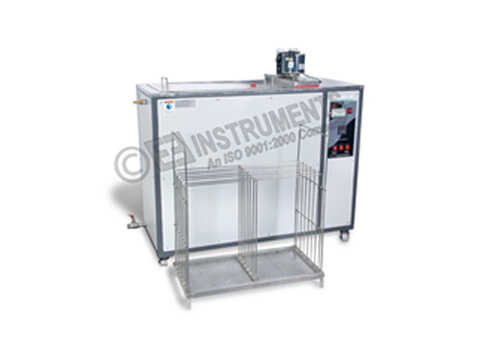
Minimum Order Quantity : 1 Piece
Features : Accurate results, Robust construction, Efficient working
Automation Grade : Semi Automatic
Product Type : Waterbath With Vacuum System
Operate Method : Electric
Usage : Laboratory
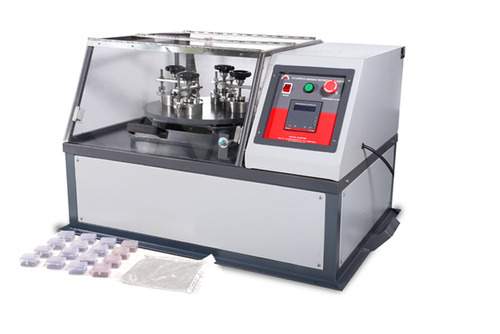
Minimum Order Quantity : 1 Piece
Features : Accurate results, Robust construction, Efficient working
Automation Grade : Semi Automatic
Product Type : Abrasion Testing Machine for Glazed Tiles
Operate Method : Electric

 |
EIE INSTRUMENTS PVT. LTD.
All Rights Reserved.(Terms of Use) Developed and Managed by Infocom Network Private Limited. |




 Send Inquiry

 Send Inquiry
 Send Inquiry
 Send SMS
 Call Me Free