 Call Us : 08045477242
|
Call Us : 08045477242
|
Compliance With Following International Standards:
ASTM C403, IS:8142,IS:1199-part7
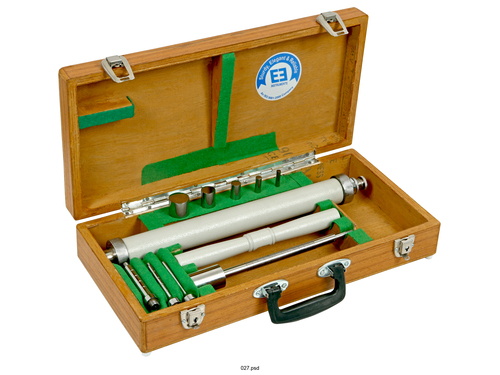
This test is used to determine the elapsed time between batching of a concrete sample and when it is deemed by standard methods to have set. The method involves measuring the penetration resistance of a test sample, which has had coarse particles removed at periodic intervals. It is particularly useful, in determining the effect on setting time of admixtures in the concrete, where these may have been introduced specifically to increase the setting time.
Further details available on our website.
Price and specifications mentioned here are subject to change as per the application, customer requirements and prevailing market conditions. Please refer to us for the final rates and offer.

Price:
Minimum Order Quantity : 1 Piece
Automation Grade : Semiautomatic/Automatic
Features : Heavy Duty, Corrosion Resistant, High Precision
Usage : Universal Material Testing
Application : Material Strength Testing, Compression and Tension Testing
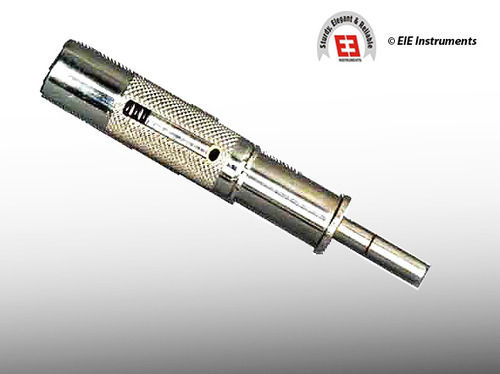
Price 6600.00 INR / Piece
Minimum Order Quantity : 1 Piece
Automation Grade : Manual
Features : Portable, Lightweight, Corrosion Resistance
Usage : Testing penetration resistance of setting concrete
Application : Determining setting time of concrete
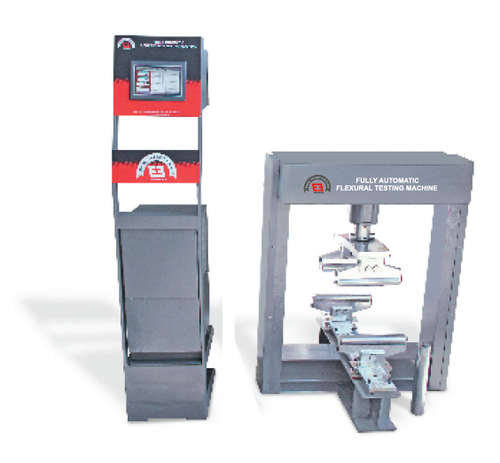
Price 366930 INR / Piece
Minimum Order Quantity : 1 Piece
Automation Grade : Fully Automatic
Features : Fully automatic, Servo control, Data logging, High precision load cell
Usage : Concrete Testing Equipment
Application : Flexural & Toughness Testing of FRC (Fibre Reinforced Concrete) Beams
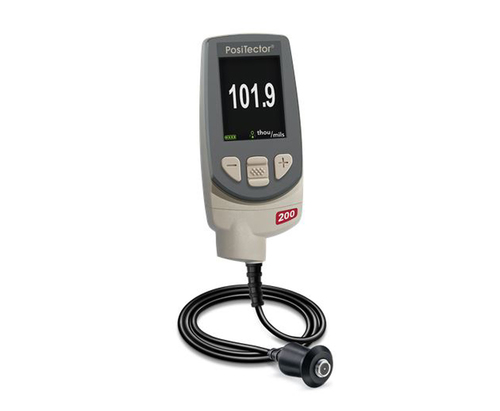
Price 283000 INR / Piece
Minimum Order Quantity : 1 Piece
Automation Grade : Semi Automatic
Features : Portable, Nondestructive, Fast measurement
Usage : Surface Coating Measurement on Concrete
Application : Concrete Surface Coating Measurement

 |
EIE INSTRUMENTS PVT. LTD.
All Rights Reserved.(Terms of Use) Developed and Managed by Infocom Network Private Limited. |




 Send Inquiry

 Send Inquiry
 Send Inquiry
 Send SMS
 Call Me Free