 Call Us : 08045477242


|
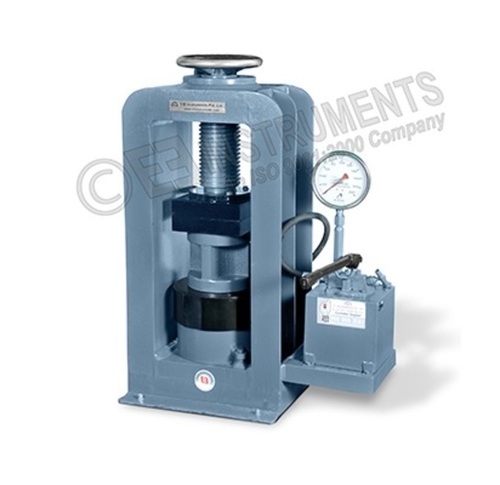
With Improved and Novel Pump - for easy and effortless pumping, the pump becomes more and more light as the load increases.
For determination of compressive strength of cement by testing concrete cylinders, cubes. The machine works on hydraulic pressure gauge marked in 5 KN division and is fitted with maximum red pointer, in addition to the live pointer. The machines are nicely painted in hammertone stray. Complete with pressure gauge duly calibrated.
Further details available on our website.
Price and specifications mentioned here are subject to change as per the application, customer requirements and prevailing market conditions. Please refer to us for the final rates and offer.
Technical Details 

Price:
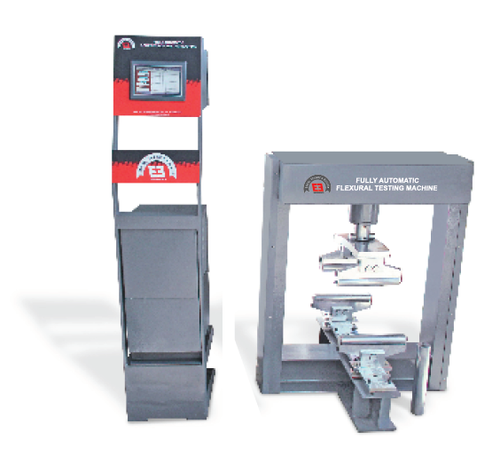
Price 260000.00 INR / Piece
Minimum Order Quantity : 1 Piece
Machine Weight : Approximately 150 kg
Usage : Material Testing Laboratories
Application : Flexural strength test of concrete/cement specimens
Features : Automatic loading, Data recording, Overload protection, User programmable
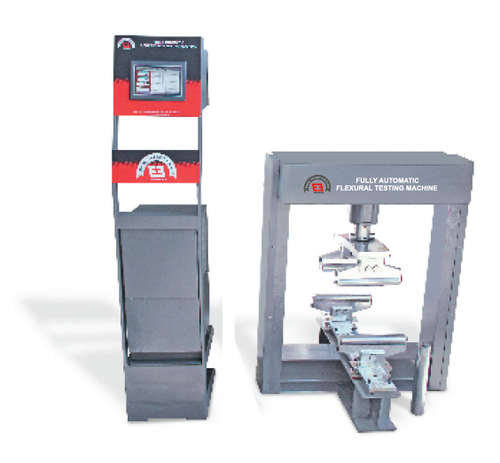
Price 366930 INR / Piece
Minimum Order Quantity : 1 Piece
Machine Weight : 300 Kilograms (kg)
Usage : Concrete Testing Equipment
Application : Flexural & Toughness Testing of FRC (Fibre Reinforced Concrete) Beams
Features : Fully automatic, Servo control, Data logging, High precision load cell
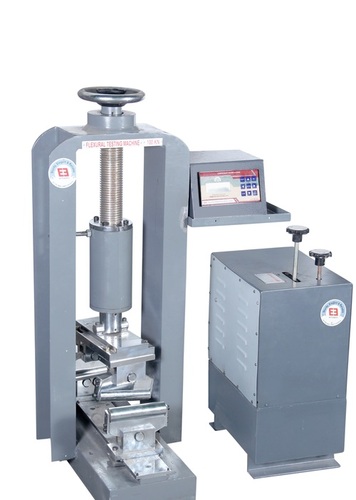
Price 126300.00 INR / Piece
Minimum Order Quantity : 1 Piece
Machine Weight : Approx. 120 kg
Usage : Concrete beam flexural strength testing
Application : Flexural strength testing of concrete beams
Features : Digital readout, automated data logging
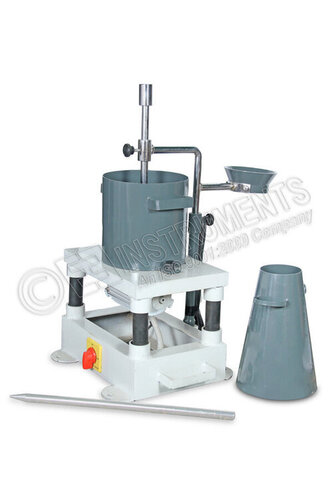
Price 25500.00 INR / Piece
Minimum Order Quantity : 1 Piece
Machine Weight : Approx. 40 kg
Usage : Laboratory test for concrete consistency
Application : Determining consistency or workability of fresh concrete
Features : Sturdy steel frame, Removable transparent Perspex container, Vibration motor

 |
EIE INSTRUMENTS PVT. LTD.
All Rights Reserved.(Terms of Use) Developed and Managed by Infocom Network Private Limited. |





 Send Inquiry

 Send Inquiry
 Send Inquiry
 Send SMS
 Call Me Free