Oxidation Stability Of Mineral Insulating Oil About
Introduction
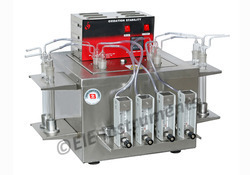
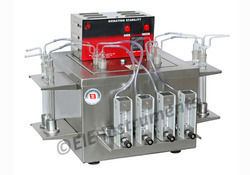
This test method determines the resistance of mineral transformer oils to oxidation under prescribed accelerated aging conditions. Oxidation stability is measured by the propensity of oils to form sludge and acid products during oxidation.
Significance and Use
A test specimen of mineral transformer oil is oxidized at bath temperature, in the presence of a copper catalyst coil, by bubbling oxygen through duplicate test specimens for 72 and 164 h, respectively. The oil is evaluated at the end of each aging period by measuring the amount of sludge and acid formed. The test specimen is diluted with n heptane and the solution filtered to remove the sludge. The sludge is then dried and weighed.
Furtherdetails available on our website.
The Price mentioned here are subject to change as per the capacity,specifications and application of the user.
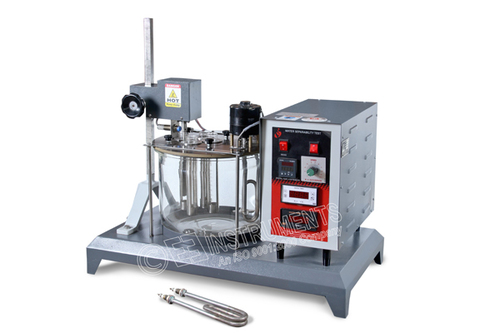
Advanced Testing for Transformer Oil QualityOur Oxidation Stability Test Method simulates harsh operating environments by exposing mineral insulating oils to elevated temperatures. This process provides an accelerated measure of an oils resistance to oxidative degradation. Such testing is critical for assessing whether a transformer oil will provide long-term protection and performance in high-voltage applications.
Reliable Data for Industry ProfessionalsWith precise control over voltage (230 V), power (100 W), and a wide temperature spectrum (up to 200C), this instrument ensures repeatable results. It is essential equipment for petroleum laboratories, quality assurance teams, and suppliers who must guarantee the reliability and safety of insulating oils used in power transformers and other electrical apparatus.
FAQs of Oxidation Stability Of Mineral Insulating Oil:
Q: How does this apparatus test the oxidation stability of mineral insulating oil?
A: The apparatus exposes oil samples to high temperatures in the presence of air, simulating oxidative aging conditions. This accelerates the chemical reactions that degrade oil, allowing evaluation of how resistant the oil is to oxidation compared to standards.
Q: What is the typical application of this oxidation stability test?
A: This test is primarily used in petroleum laboratories and transformer oil manufacturers to determine the anticipated lifespan and performance of mineral insulating oils under actual service conditions.
Q: When should this test be conducted on insulating oil samples?
A: The oxidation stability test should be performed during quality assurance of new oils, after oil reclamation, or whenever there are concerns about oil performance in electrical equipment, especially before use in transformers or high-voltage installations.
Q: Where can this equipment be utilized for testing in India?
A: The apparatus is designed for use in petroleum testing laboratories, manufacturing facilities, and by exporters and suppliers of electrical oils across India and internationally.
Q: What is the process followed for conducting the oxidation stability test?
A: The sample is placed in a sealed test vessel and subjected to temperatures ranging from 5C above ambient up to 200C under controlled air flow and electrical conditions. The resulting chemical changes are then analyzed to determine stability.
Q: How does regular testing of oxidation stability benefit transformer oil users?
A: Routine testing helps users select oils with superior resistance to degradation, directly contributing to longer equipment life, lower maintenance costs, and reduced downtime for transformers and other sensitive electrical devices.
Q: Is this apparatus suitable for both manufacturing and after-service oil evaluation?
A: Yes, petroleum manufacturers, service providers, and suppliers can all utilize this instrument for both new production batch testing and routine quality checks on used or reclaimed oils.
Technical Details 
 Call Us : 08045477242











 Send Inquiry

 Send Inquiry
 Send Inquiry
 Send SMS