Call UsCall Us : 08045477242
Change Language
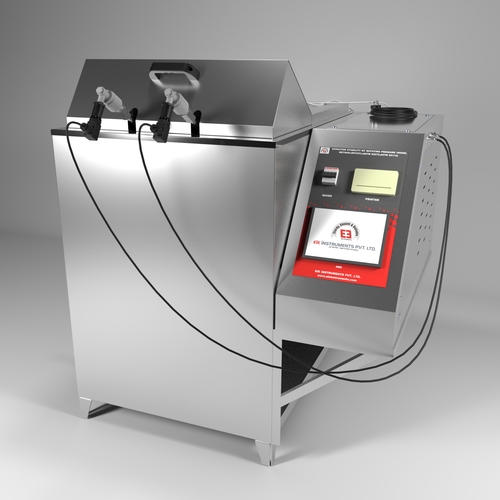
Oxidation Stability by Rotating Pressure Vessel Method - Electronic

Oxidation Stability by Rotating Pressure Vessel Method - Electronic

MOQ : 1 Piece

Oxidation Stability by Rotating Pressure Vessel Method - Electronic Specification

  • Features
  • Accurate results, Robust construction, Efficient working
  • Product Type
  • OXIDATION STABILITY BY ROTATING PRESSURE VESSEL METHOD Electronic With Software
  • Accuracy
  • 0.25 % %
  • Power
  • 100 Watt (w)
  • Voltage
  • 230 Volt (v)
  • Frequency
  • 50-60 Hertz (HZ)
  • Usage
  • Petroleum Testing Equipment
  • Temperature
  • -40 to 125 C, DIN Connector Celsius (oC)
  • Application
  • These methods used to evaluate the oxidation stability of new and inservice engine, turbine and inhibited mineral insulating oils in the presence of water and a copper catalyst coil
  • Power Supply
  • 230 Volts 50 Hz, Single Phase, Ac Supply
  • Automation Grade
  • Semi Automatic
  • Control Mode
  • Electric
 

Oxidation Stability by Rotating Pressure Vessel Method - Electronic Trade Information

  • Minimum Order Quantity
  • 1 Piece
  • FOB Port
  • Ahmedabad
  • Supply Ability
  • 50 Pieces Per Month
  • Delivery Time
  • 4 Week
  • Sample Policy
  • Contact us for information regarding our sample policy
  • Packaging Details
  • Wooden Box / Corrugated Box
  • Main Domestic Market
  • All India
  • Certifications
  • ISO 9001 : 2015
 

Oxidation Stability by Rotating Pressure Vessel Method - Electronic About

Purpose

These methods used to evaluate the oxidation stability of new and in service engine, turbine and inhibited mineral insulating oils in the presence of water and a copper catalyst coil at 150 Degree Celsius and at 140 Degree Celsius test temperature. The method is applicable to determine the oxidation stability of both steam turbine oil and inhibited mineral insulating oil as per the respective standards mentioned above.

Summary of test method :

The test oil, water, and copper catalyst coil, contained in a covered glass container, are placed in a vessel equipped with a pressure gauge. The vessel is charged with oxygen to a gauge pressure of 620 kPa, placed in a constant temperature oil bath set at 150 Degree Celsius, and rotated axially at 100 rpm at an angel of 30 Degree from the horizontal.. The time for oil to react with given volume of oxygen is measured, completion of the test is indicated by a specific drop in pressure. The number of minutes required to reach a specific drop in gauge pressure is the oxidation stability of the test sample.


Furtherdetails available on our website.

The Price mentioned here are subject to change as per the capacity,specifications and application of the user.


Comprehensive Oxidation Analysis

This instrument provides a reliable solution for analyzing the oxidation stability of various oils, essential for maintaining engine and equipment longevity. The rotating pressure vessel method accelerates the oxidation process, enabling users to predict lubricant performance along with identifying potential issues before they arise.


User-Friendly Operation and Versatility

Designed for ease of use, the system is compatible with both new and in-service oils. Its robust 230 Volt, 100 Watt power specification ensures consistent operation under single-phase, 50 Hz AC supply. Applications extend across laboratories, refineries, and industrial facilities, making it a versatile asset in petroleum testing.

FAQs of Oxidation Stability by Rotating Pressure Vessel Method - Electronic:


Q: How does the Rotating Pressure Vessel Method evaluate oxidation stability in oils?

A: This method subjects oil samples, along with water and a copper catalyst coil, to accelerated oxidation conditions within a pressurized, rotating vessel. The rate at which the sample absorbs oxygen indicates its resistance to oxidation, allowing for effective performance evaluation.

Q: What types of oils can be tested with this equipment?

A: The device is designed for testing engine oils, turbine oils, and inhibited mineral insulating oils, both new and in-service, providing comprehensive results across various petroleum-based lubricants.

Q: When should I use this oxidation stability tester?

A: It is advisable to test oils before service to determine their suitability and periodically during service life to monitor performance degradation and predict maintenance needs.

Q: Where is this device typically used?

A: This equipment is ideal for laboratories, refineries, quality assurance centers, and industrial settings where petroleum products are analyzed for performance and reliability.

Q: What is the process for running a test using this equipment?

A: A sample of oil is placed in the vessel with water and a copper coil, the vessel is sealed, pressurized, and rotated. Electronic controls monitor the pressure drop, indicating the oils oxidation stability until the completion of the test.

Q: What are the benefits of using this oxidation stability tester?

A: The instrument provides precise, reproducible data, helping users optimize lubricant selection, ensure compliance, extend maintenance intervals, and enhance equipment lifespan, ultimately reducing operational costs.

Q: How does the power supply specification ensure consistent performance?

A: Running on 230 Volts, 50 Hz, single-phase AC at 100 Watts, this device ensures stable operation and test accuracy regardless of standard Indian laboratory power settings.

Technical Details 

Tell us about your requirement
product

Price:

Quantity
Select Unit

  • 50
  • 100
  • 200
  • 250
  • 500
  • 1000+
Additional detail
Mobile number

Email

More Products in Petroleum Testing Equipments Category

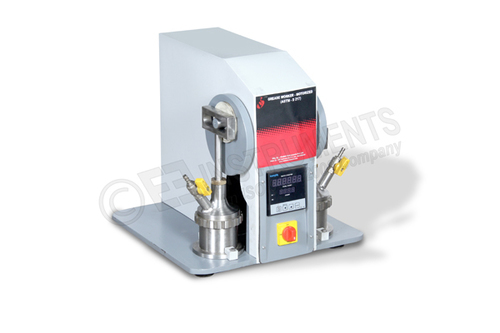
Grease Worker Double Cup Model

Grease Worker Double Cup Model

Minimum Order Quantity : 1 Piece

Usage : Laboratory

Application : Cone penetration test results provide one measure of the consistency of Grease. With the help of the grease worker, the worked penetration results are determined.

Automation Grade : Automatic

Product Type : Grease Worker Double Cup Model

Features : Accurate results, Robust construction, Efficient working
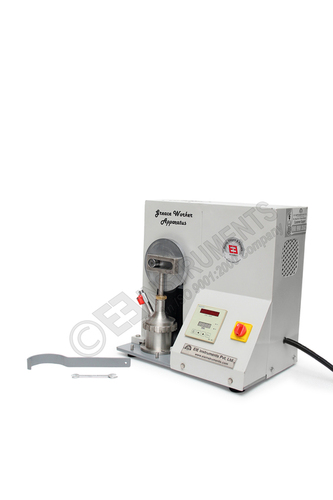
Grease Worker Single Cup

Grease Worker Single Cup

Minimum Order Quantity : 1 , , Piece

Usage : Petroleum Testing Equipment

Application : Cone penetration test results provide one measure of the consistency of Grease. With the help of the grease worker, the worked penetration results are determined

Automation Grade : Semi Automatic

Product Type : Grease Worker Single Cup

Features : Accurate results, Robust construction, Efficient working

Cloud And Pour Point Apparatus

Cloud And Pour Point Apparatus

Minimum Order Quantity : 1 Piece

Usage : Petroleum Testing Equipment

Application : Cloud point and pour point are indicators of the lowest temperature of utility for petroleum products

Automation Grade : Semi Automatic

Product Type : Cloud and Pour Point Apparatus (refrigerated)

Features : Accurate results, Robust construction, Efficient working
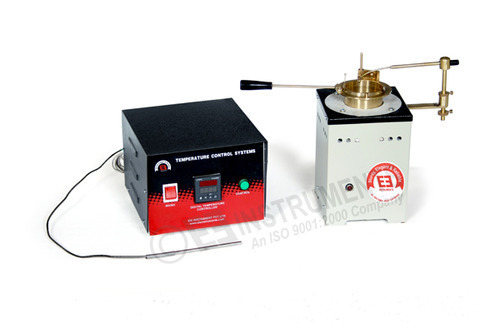
Abel Flash Point Apparatus

Abel Flash Point Apparatus

Minimum Order Quantity : 1 Piece

Usage : Used for determination of the closed cup Flash Point of Petroleum products, their mixtures, other liquids and paints having flash point below 70C.

Application : for Educational Experimental Purpose Only

Automation Grade : Semiautomatic

Product Type : Abel Flash Point Apparatus

Features : Accurate results, Robust construction, Efficient working